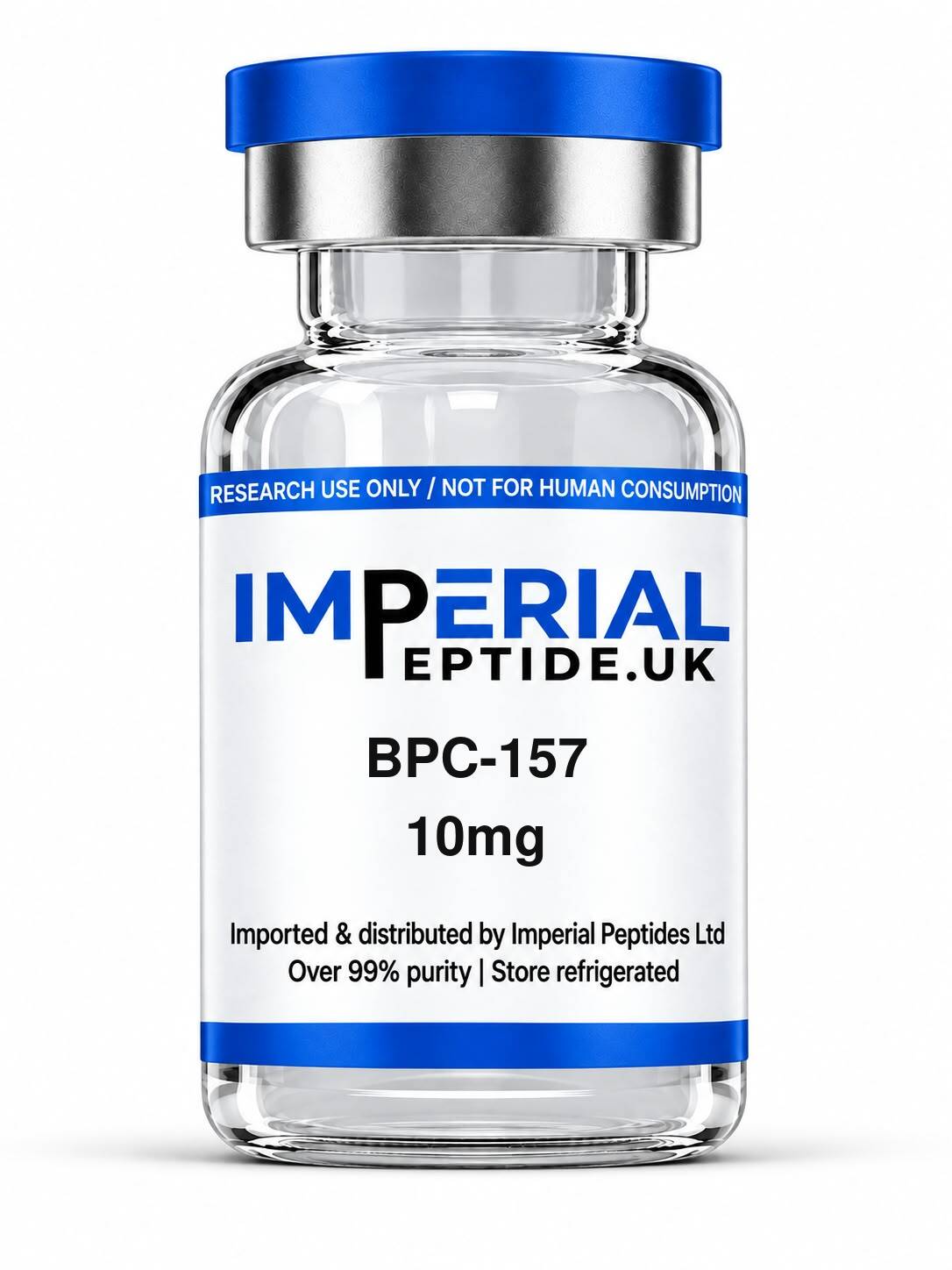
Body Protection Compound 157 (BPC-157) is a pentadecapeptide — a synthetic 15 amino acid sequence derived from a gastric protein naturally present in human gastric juice. It has been studied extensively in animal models since the 1990s, with research focusing primarily on its regenerative, anti-inflammatory, and gastroprotective properties.
Origins and Structure
BPC-157 is derived from the larger parent protein BPC, first isolated from human gastric juice. The specific 15-amino acid sequence (Gly-Glu-Pro-Pro-Pro-Gly-Lys-Pro-Ala-Asp-Asp-Ala-Gly-Leu-Val) confers notable stability in physiological conditions, as BPC-157 is resistant to enzymatic degradation and remains active in both acidic and alkaline environments.
Key Research Areas
Musculoskeletal Repair
Preclinical studies in rodent models have reported that BPC-157 accelerated the healing of transected tendons and ligaments. Research published in the Journal of Orthopaedic Research demonstrated significantly improved load-to-failure measurements in BPC-157-treated Achilles tendons compared to controls. Proposed mechanisms include upregulation of growth hormone receptor expression and promotion of fibroblast migration.
Gastrointestinal Protection
As a derivative of gastric protein, BPC-157 shows consistent gastroprotective effects across research models. Studies have investigated its application in models of inflammatory bowel disease, gastric ulcer formation, and intestinal anastomosis healing. It appears to modulate nitric oxide (NO) synthase pathways, influencing mucosal blood flow and reducing lesion area in colitis models.
Angiogenesis and Wound Healing
Multiple in vivo studies have observed that BPC-157 promotes angiogenesis — the formation of new blood vessels — which may underlie its reported healing effects across tissue types. Research groups have documented elevated expression of VEGFR2 (Vascular Endothelial Growth Factor Receptor 2) in treated tissue, suggesting a direct mechanism of action on vascular remodelling.
Safety Profile in Preclinical Models
Animal studies using doses ranging from 1–10 µg/kg to 10 mg/kg have not identified acute toxicity signals. No mutagenic or carcinogenic effects have been noted in available preclinical literature. BPC-157 does not appear to interact with the HPA axis in short-term studies, distinguishing it from corticosteroid-class compounds sometimes used in parallel research contexts.
Important notice: BPC-157 is sold by Imperial Peptide strictly for in vitro and in vivo research purposes only. It is not approved for human or veterinary use. All research must be conducted in accordance with applicable regulations.